Dropshipping Business Model: How It Works, Pros, Cons and How to Start
Want to sell products online without buying stock, renting a warehouse or packing boxes? That is exactly what the dropshipping business model promises. It is one of the most popular ways to start an ecommerce business with little money, but it also comes with real challenges that beginners often underestimate.
In this guide you will learn how dropshipping works, how dropshippers make money, the main advantages and disadvantages, and a simple step-by-step plan to launch your own store.
What Is the Dropshipping Business Model?
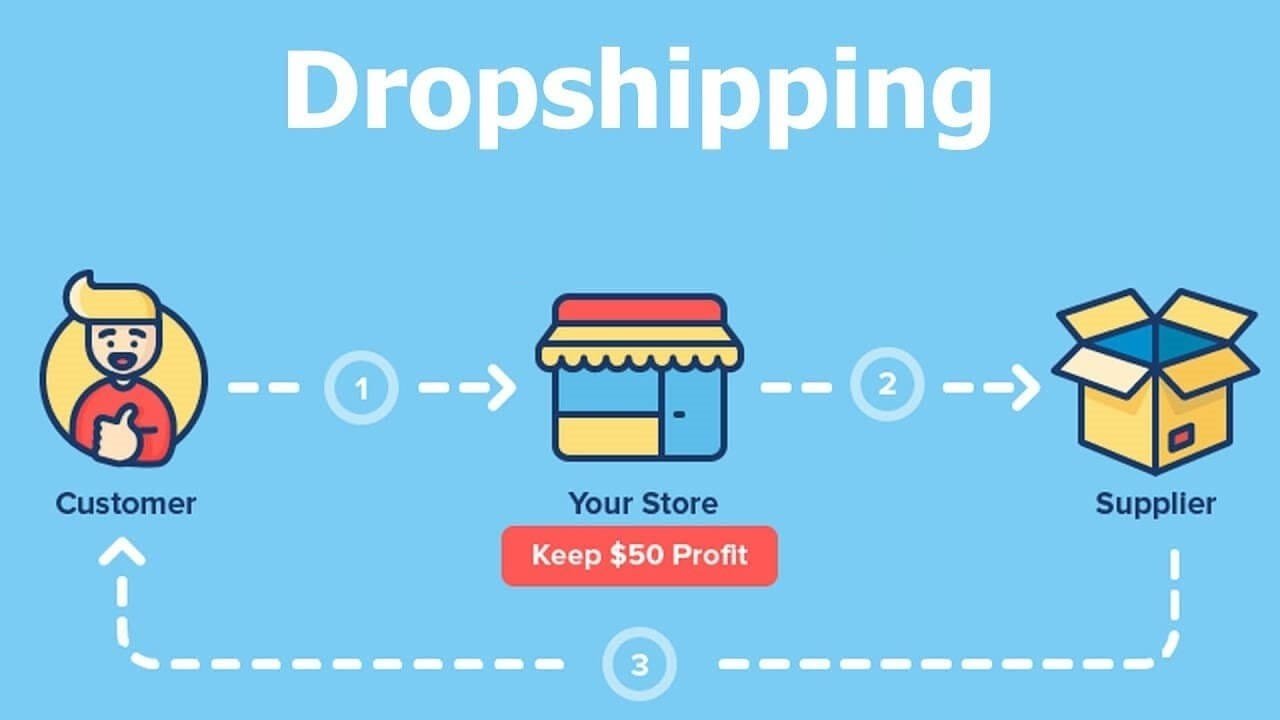
Dropshipping is a retail model where you sell products in your online store but never hold the inventory yourself. When a customer places an order, you forward it to a supplier (a manufacturer, wholesaler or fulfilment company), and the supplier ships the product directly to the customer.
Your job is to build the store, choose products, market them and look after customers. The supplier handles stock, packing and shipping.
How Dropshipping Works: Step by Step
- You list a product in your store at a retail price, for example $30.
- A customer buys it and pays you $30.
- You order the item from your supplier at the wholesale price, for example $12 including shipping.
- The supplier ships it directly to the customer, usually with your store name or neutral packaging.
- You keep the difference: $18 gross profit, before advertising, payment fees and other costs.
How Do Dropshippers Make Money?
Profit comes from the margin between your selling price and the supplier’s price. However, gross margin is not the same as profit. From that margin you still need to pay for:
- Advertising (often the biggest cost)
- Ecommerce platform subscription and apps
- Payment processing fees
- Refunds, returns and chargebacks
Successful dropshippers aim for products they can sell at 2.5 to 3 times the landed cost, so there is still money left after marketing.
Advantages of Dropshipping
- Low startup cost: no need to buy stock upfront.
- Low risk: you only pay for products after you sell them.
- Work from anywhere: all you need is a laptop and internet.
- Easy to test products: add or remove items quickly without being stuck with unsold stock.
- Scalable: the supplier handles more orders as you grow.
Disadvantages of Dropshipping
- Thin margins: competition and ad costs can eat most of your profit.
- Less control over quality: you never see the product before it reaches the customer.
- Slow shipping: overseas suppliers can take weeks, which leads to complaints.
- High competition: many stores sell the same products from the same suppliers.
- You are responsible for mistakes: customers blame your store, not the supplier.
Dropshipping vs Traditional Ecommerce
| Factor | Dropshipping | Traditional (Own Inventory) |
|---|---|---|
| Startup cost | Low | High |
| Inventory risk | None | High |
| Profit margin | Lower | Higher |
| Shipping speed | Depends on supplier | You control it |
| Product quality control | Limited | Full |
| Branding options | Limited | Full custom packaging |
How to Start a Dropshipping Business
1. Choose a Niche
Pick a focused niche instead of a general store. Good niches solve a problem, have passionate buyers and include products that are hard to find in local shops. Examples include pet accessories, home organisation, fitness gear or eco-friendly products.
2. Research Products
Look for products with a healthy margin, light weight (cheaper shipping), low return risk and a clear selling point. Check trends on social media, marketplace bestseller lists and keyword tools.
3. Find Reliable Suppliers
Your supplier can make or break your business. Order samples, test delivery times and check reviews. Suppliers with warehouses in your target country offer much faster shipping than overseas ones.
4. Build Your Online Store
Platforms like Shopify or WordPress with WooCommerce make it easy to launch a professional store. Focus on clear product photos, honest descriptions, fast loading and simple checkout. Add clear shipping, refund and contact pages to build trust.
5. Register Your Business and Handle Taxes
Rules differ by country, so check what registration, sales tax and import requirements apply to you. Keeping business and personal finances separate from day one will make life much easier.
6. Market Your Store
Most dropshipping stores grow through paid social ads, short-form video content, influencer partnerships, SEO and email marketing. Start with a small budget, measure everything and only scale what is profitable.
7. Deliver Great Customer Service
Reply quickly, share tracking information, and solve problems generously. Good service turns one-time buyers into repeat customers and positive reviews.
Common Dropshipping Mistakes to Avoid
- Choosing products only because they look viral, without checking margins.
- Not ordering samples before selling.
- Hiding long shipping times from customers.
- Spending heavily on ads before the store converts well.
- Relying on a single supplier with no backup.
Is Dropshipping Still Worth It?
Yes, but not as a get-rich-quick scheme. Dropshipping works best for people who treat it like a real brand: a clear niche, trustworthy suppliers with fast shipping, strong marketing and excellent service. Many successful sellers start with dropshipping to test demand, then move their best products to their own inventory for higher margins.
Frequently Asked Questions
How much money do I need to start dropshipping?
You can launch a basic store with a small budget for the platform, domain and a few samples. However, you should also set aside money for advertising, since that is where most early spending goes.
Is dropshipping legal?
Yes, dropshipping is a legal business model. You must still follow consumer protection, tax and import laws, and avoid selling counterfeit or restricted products.
Can I do dropshipping part-time?
Absolutely. Many people start dropshipping alongside a job and only go full-time once the store becomes consistently profitable.
Final Thoughts
The dropshipping business model removes the biggest barrier to ecommerce: buying inventory. In return, you face thinner margins and less control. If you choose a smart niche, partner with reliable suppliers and focus on building a trusted brand, dropshipping can be a practical first step into online business.