DnD Character Art: Making a Portrait for Your Tabletop Character
Your character has a name, a class, and several sessions of history, but the portrait beside the character sheet still belongs to someone else. Useful DnD character art makes your own adventurer recognizable: their ancestry, working equipment, manner, and one object that matters to them. It doesn’t need to illustrate every detail of the backstory.
At a Dungeons & Dragons table, that image might become a shared reference, a small token, or a reminder of who is speaking. Decide which job matters most before choosing how to make it.
What DnD Character Art Needs to Communicate
Start with ancestry or species, then choose the visible traits that matter to your version of the character. Skin, ears, horns, or facial proportions can help establish the design. Keep those choices in a short description instead of relying on a label to supply every detail.
Class needs equipment or posture that reads quickly. A wizard’s book, a fighter’s maintained armor, or a bard’s instrument can suggest a role without a caption. Avoid loading every class-associated object into one portrait; the face still needs space.
Personality belongs in expression and handling. A careful adventurer might hold a damaged object with both hands. A suspicious one could keep their shoulders turned while watching the viewer. Finally, choose one signature item: a repaired shield, a sibling’s scarf, or a field notebook. That detail connects the portrait to the campaign.
Choose Between Drawing, Commissioning, and AI
The right route depends on what you want from the artwork and how much of the process you want to do yourself. AI art can be a sensitive subject at a table. Discuss the group’s preferences before making generated images part of a shared campaign.
| Route | A useful choice when | What to prepare | Main tradeoff |
| Draw it yourself | Making the art is part of the enjoyment | A manageable pose and a short visual brief | Time and practice determine how much you can finish |
| Commission an artist | You want a unique work and are willing to pay | Character notes, references, intended use, budget, and deadline | The project follows the artist’s availability and agreed process |
| AI generation | You need a private reference, a table-use portrait, or a quick NPC image the group accepts | An original character description and a plan to inspect the result | Details can drift, and the approach may not suit the group |
For a unique finished work shaped through an artist’s judgment, commission an artist. A generator can help make an idea more concrete beforehand, but the artist should decide whether generated references belong in their process. A written brief remains useful regardless.
Translate the Character Sheet Into a Visible Brief
Use this order: ancestry → class equipment → personality and expression → signature object → lighting and background. It’s a way to organize a description, not a substitute for the character’s history.
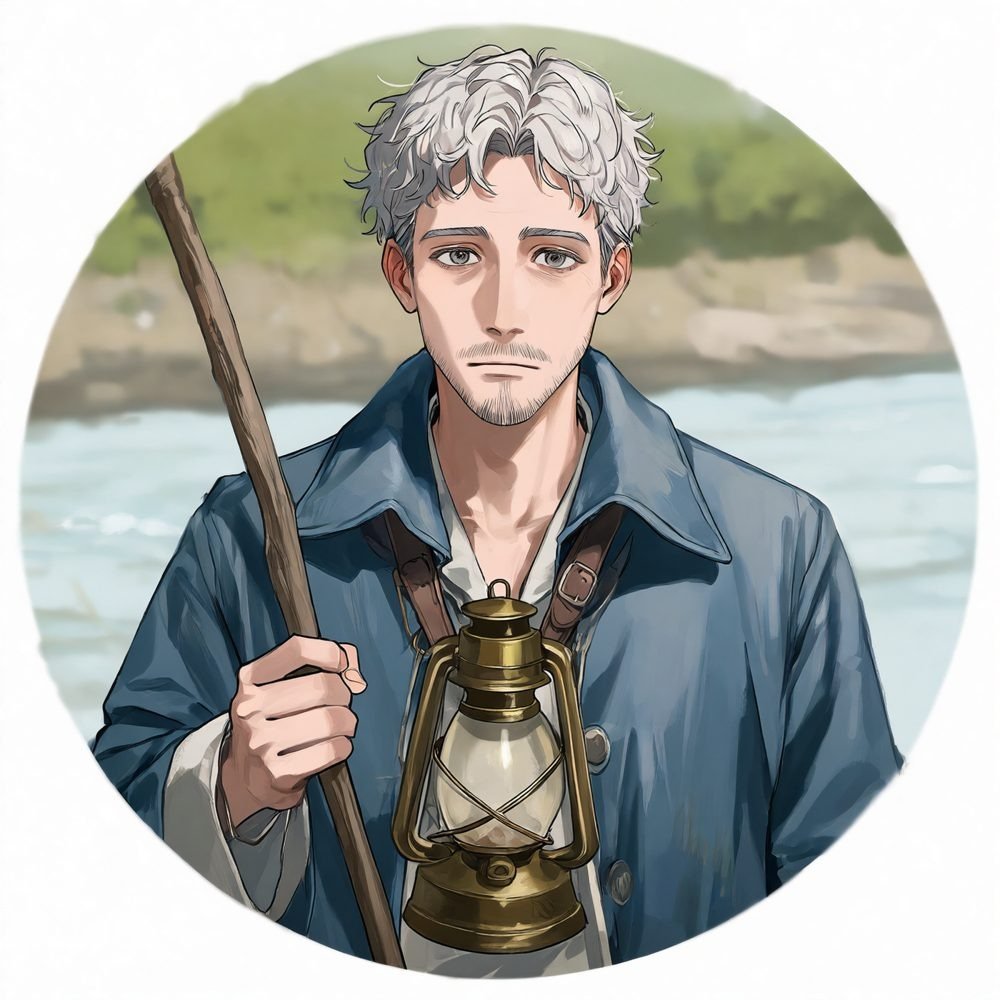
Suppose your character is a human wizard who used to keep a river crossing. “Wizard with a sad past” doesn’t explain much visually. A weathered blue coat, a repaired brass lantern, and a watchful expression give the artist or generator something to work with.
Starting prompt:
An original adult human wizard, formerly a river crossing keeper, wears a weathered blue travel coat over plain clothes. A narrow staff rests against one shoulder, and a repaired brass lantern hangs at chest level. Short graying curls, watchful eyes, reserved expression. Half-body three-quarter portrait, soft overcast light, a simple riverbank behind the shoulders, clear space around the head, no lettering.
Leave invisible statistics out of the image prompt. If a game ability affects the design, describe the visible result rather than copying rules text. A scorched cuff communicates repeated fire mishaps more clearly than a list of spells.
Class Prompts With Different Visual Priorities
These starting descriptions use original adult characters. Change the ancestry, palette, and personal object to fit your campaign. Keep one recognizable item prominent rather than treating the class as a costume checklist.
Wizard. For D&D wizard art, prioritize the face, a tool for study, and a readable staff or book shape. Put any magical light beside the features rather than over them.
An original adult dwarf wizard with dark braided hair wears an indigo travel coat and carries a small field notebook with a red cloth bookmark. One hand rests on a plain wooden staff beside the shoulder. Thoughtful expression, chest-up three-quarter portrait, gentle side light, muted stone background, space above the head, no text.
Rogue. Rogue art for D&D doesn’t require an entirely black outfit or a hidden face. A lighter background and an unobstructed expression can make a cautious character easier to recognize.
An original adult human rogue with short copper hair wears a charcoal vest over a gray shirt and a practical leather shoulder strap. A small brass lockpick case is attached below the collarbone. Alert sideways glance, relaxed mouth, shoulders-up portrait, pale wall behind the figure, restrained cool light, clear facial features, no lettering.
Paladin. A maintained piece of armor and deliberate posture can communicate commitment. Invent a simple personal emblem instead of borrowing a published symbol.
An original adult orc paladin with short dark hair wears plain steel shoulder armor over a cream tunic. A small shield with a simple blue circle rests beside the torso. Upright posture, patient expression, half-body portrait, warm daylight, uncluttered gray background, face clear of armor edges, no lettering.
Druid. Connect the character to a specific environment through one material or object. A whole forest of accessories around the head can crowd the portrait.
An original adult halfling druid with tightly curled brown hair wears a moss-green coat and carries a small pouch of river stones. A willow walking stick stands beside the shoulder. Curious expression, chest-up view, soft outdoor light, blurred reeds behind the figure, open space around the hair, no text.
Bard. Let the instrument fit the frame. You can suggest a larger instrument through part of its shape without reducing the face to a distant detail.
An original adult elf bard with a dark side braid wears a burgundy travel jacket with a neatly repaired cuff. The neck of a small lute appears beside one shoulder, and a folded blue ribbon is tied to its tuning head. Amused expression, half-body portrait, simple tavern wall, gentle warm light, clear head silhouette, no lettering.
| Class | Visual keywords: equipment, posture, palette | Useful composition |
| Wizard | Notebook or staff, attentive posture, indigo and brass | Chest-up with one prop beside the shoulder |
| Rogue | Practical strap and tool case, watchful turn, charcoal and gray | Shoulders-up with an unobstructed face |
| Paladin | Maintained armor and personal shield, upright stance, steel and cream | Half-body with room for the shield |
| Druid | Walking stick and natural material, relaxed stance, moss green | Chest-up with a simple outdoor background |
| Bard | Instrument and repaired clothing, open posture, burgundy accent | Half-body with the instrument offset |
Compose for the Portrait and the Token
Fantasy character art can contain a whole landscape, but a token needs a face you can read quickly. Make the portrait work first, then save a separate crop for the virtual tabletop. A half-body image allows equipment to tell the story; a shoulders-up crop gives the expression more room.
Preview the circular crop early. Leave space above the hair and beside horns or ears, and keep the eyes well inside the circle. A staff reaching into a corner can disappear in the token without damaging recognition. An eye cannot.
Reduce the image to the size it will occupy during play. If the face blends into the background, change the light-dark separation or crop closer. Extra decorative detail won’t repair a silhouette that disappears at that size.
Turn an AI Reference Into a Better Commission Brief
If the artist accepts generated references, explain what each image is meant to show. Write “keep the coat shape and lantern; ignore the hands and facial proportions” rather than handing over a picture with no notes. Mark errors before they become design requirements.
Use fantasy character concept art as supporting material alongside a written description. Separate essential details from suggestions, include the intended crop, and state how you plan to use the finished artwork. Ask about the artist’s process instead of assuming they’ll reproduce the reference exactly.
Where PixAI Fits
For a table that accepts generated references, PixAI is an anime-focused option, so its visual direction will suit some campaigns better than others. If you want a DnD character image generator organized around classes, its Fantasy Character Generator is the closest match.
The Fantasy Character Generator announcement describes uploading an image, choosing Paladin, Wizard, Druid, or Bard, and generating an RPG character card. That makes it a quick way to try a class look before writing the fuller brief described above.
A one-off portrait is a different job from an adventurer who appears across many sessions. For the second case, the beginner character consistency guide is useful follow-up reading. Inspect the face and signature item in each result before saving it beside the character sheet.
Before the Portrait Joins the Campaign
- The group is comfortable with the chosen art-making approach.
- Ancestry, class equipment, expression, and one personal item read clearly.
- Keep a separate circular crop for the tabletop token.
- Any AI DnD character art used as a commission reference has the artist’s acceptance and clear notes.
- Save the written character brief beside the finished image.
If generated DnD art suits your table, try one original portrait on PixAI and inspect it at token size before using it in play.