Oversized by Design: How the Cut Sits on a Canadian Frame
Somebody orders a large, the parcel turns up, and the thing hangs on them more like an extra-large, and the first thought is almost always that the warehouse grabbed the wrong box. Usually nothing went wrong at all. Essentials garments are drawn with more room in them than the tag number hints at, and the shop says so fairly bluntly in its own copy — that Essentials runs oversized, so sizing mix-ups happen. Which is why I’d spend a few minutes on shape rather than on the number before an Essential Hoodie ends up sitting in the cart.
Oversized, in the way the shop means it
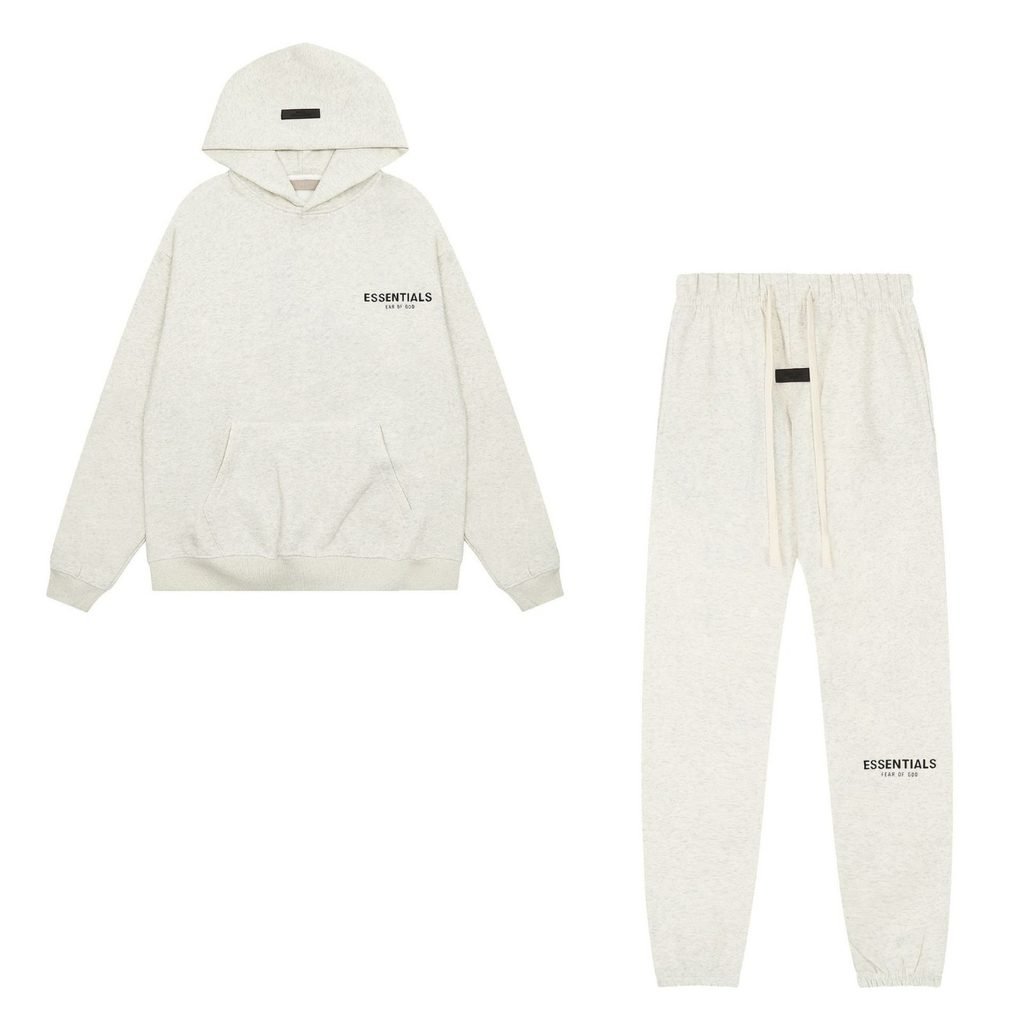
Nearly all the extra is width, not length, and it’s sitting through the chest and carrying on past the waist, which is why the body of an Essentials Hoodie hangs away from your ribs rather than tracing them and the hem comes out squarer than you’d get on something slimmer. Fleece doesn’t help the situation either, or helps it, depending on what you’re after — French terry and the brushed stuff both have a bit of weight to them, so they hold that shape out instead of falling in against you like a thin cotton sweatshirt would.
The shoulder seam gives the game away
If there’s one thing worth looking at on a product photo before anything else, it’s the shoulder seam, because on a fitted pullover that seam sits right on the bony corner of your shoulder, while a dropped shoulder slides it out past that corner and leaves it somewhere down your upper arm — and that single shift is what widens the whole silhouette and deepens the armhole well past what the tag size would lead you to expect. That part surprises people.
Sleeves and hem, where most of the grumbling happens
Where the cuff lands
Ribbed cuffs gather at the wrist and hold onto their shape, which is mostly welcome and occasionally a nuisance. Longer arms get the cuff about where you’d want it, sitting at the wrist bone with the ribbing stopping the sleeve from creeping up the forearm all afternoon. Shorter arms get a bit of bunching over the back of the hand instead, and people either push the cuff up and forget about it or drop a size and live with a closer body through the chest, which is a pretty small thing either way. Honestly, which of those two annoys you less is a personal thing and not something a chart was ever going to answer.
How far down the body actually goes
Because the width grows while the length more or less stays where it was, a boxy hoodie reads short rather than long. It tends to break around the top of the hip, covering the waistband of your jeans and not a great deal beyond it, which is roughly why the shape looks balanced over wide trousers and a bit stubby over something slim. Taller frames notice this one first, and if you’re over six feet a hem that reads boxy on a friend can read almost cropped on you.
Two sizes in the cart and nothing to settle it with
Neither shop publishes a measurement chart, so there’s no table to argue with, and I’d rather work off something you can actually put your hands on. A hoodie you already own and like, laid out flat on a bed, gets you further than any chart would — the width across the chest while it’s lying flat, the run from the shoulder seam out to the cuff, the drop from the collar down to the hem. That becomes the baseline you hold the photos up against.
- the flat chest width of the hoodie you already like, next to how roomy you actually want this one to feel, since the pattern hands you extra width before you’ve decided anything
- how low the shoulder seam sits on the model in the photos, which is a decent hint at how much the body is carrying
- what’s going underneath it, because a hoodie bought to go over a tee isn’t the same hoodie you’d want over a thick mid-layer
For anyone slim, the smaller of the two is usually the safer first order, if only because the cut is going to hand over the extra room regardless of what you pick. People chasing the full draped look go the other way and seem happy enough about it. Sizes sell out unevenly. Stock also shifts between the two Canadian storefronts, so a colourway that has thinned out in your size at one of them often turns up at Essentials Hoodie instead, usually at a slightly different price, and there’s a 14-day window after delivery if the first guess does land wrong.
The same hoodie on a few different builds
Tall and lean is where this cut behaves best, more or less, because the dropped shoulder has somewhere to go, the sleeve length finally agrees with a long arm, and the shorter body reads as a choice instead of a shrunken accident. Broader builds get something else out of it, in that the extra chest room means the fleece isn’t straining across the back and the hood sits flat rather than being tugged backwards every time you turn your head. Shorter frames have the fussiest job of the three, since the width tends to be fine, and it’s the sleeve and the hem that need thinking about, and dropping one size is the usual answer even though it costs a little of the drape.
Frequently Asked Questions
Should I just size down, then?
Fairly often, yes, if you normally wear things close, and you’re not especially tall, since the usual size in an Essentials Hoodie lands looser than your usual feel. Anybody who actually wants the big draped silhouette should stay put or go up a size — same garment, different idea about how much room you’d like to be walking around in.
Does it stretch out and get baggier?
Cotton fleece relaxes a bit with wear, though mostly at the cuffs and the hem rather than across the chest, and sticking to the care label keeps that fairly minor. A hoodie that has had a rough time in a hot dryer is a separate conversation and not really a fit question at all.
Does the cut change between colours?
Honestly, not much changes. The silhouette holds right across the hoodie range, and the 1977 pieces run on the same oversized idea even where the graphics differ. Fleece weight can feel a touch different from one colour to the next, which tends to read as a change in drape rather than a change in size.
Fit on an Essentials Hoodie comes down less to finding your number and more to deciding how much room you want to be walking around in, and that part only you can really answer. What works is laying out a hoodie you already trust, staring a while at where that shoulder seam sits in the photos, and then going with the size that matches the picture in your head rather than the one printed inside your old collar. Have a wander through the colours whenever you’re ready.