
Signs of Dehydration: Symptoms in Adults and Children, Causes and Treatment
Water makes up more than half of your body weight and is involved in almost every process that keeps you alive, from controlling body temperature to carrying nutrients and removing waste. When you lose more fluid than you take in, you become dehydrated. Knowing the early signs of dehydration helps you act before it turns into a serious problem.
What Is Dehydration?
Dehydration happens when your body does not have enough water and fluids to work normally. You lose water every day through breathing, sweating, urine and stool. Along with water, you also lose electrolytes such as sodium and potassium, which your muscles and nerves need to function properly.
Early Signs of Dehydration
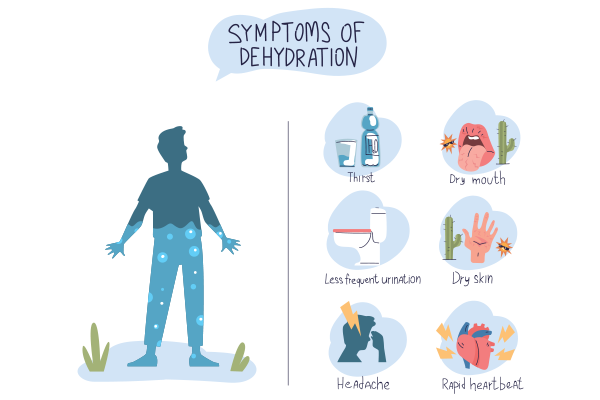
Mild to moderate dehydration is common and usually easy to fix. Watch for these early warning signs:
- Thirst: by the time you feel thirsty, you may already be slightly dehydrated.
- Dark yellow urine: healthy urine is pale yellow; darker, strong-smelling urine is a clear sign you need more fluids.
- Urinating less often than usual.
- Dry mouth, lips and tongue.
- Headache.
- Tiredness and low energy.
- Dizziness or light-headedness, especially when standing up.
- Muscle cramps.
- Difficulty concentrating and irritability.
Signs of Severe Dehydration (Get Medical Help)
Severe dehydration is a medical emergency. Seek urgent medical care if you or someone else has:
- Very little or no urine for 8 hours or more
- Extreme thirst with a very dry mouth and skin
- Rapid heartbeat or rapid breathing
- Confusion, extreme sleepiness or fainting
- Sunken eyes
- Inability to keep fluids down because of vomiting
- Bloody or black stool, or diarrhoea lasting more than 24 hours in a vulnerable person
Signs of Dehydration in Babies and Children
Infants and young children dehydrate much faster than adults, especially with fever, vomiting or diarrhoea. Contact a doctor promptly if a child shows:
- Fewer wet nappies (diapers) than usual, or no wet nappy for several hours
- Crying with few or no tears
- A sunken soft spot (fontanelle) on top of a baby’s head
- Dry mouth and tongue
- Unusual sleepiness, floppiness or irritability
- Cold, blotchy hands and feet
Signs of Dehydration in Older Adults
As we age, the sense of thirst becomes weaker and the body holds less water. Older adults may not feel thirsty even when dehydrated. Confusion, constipation, weakness, falls and urinary tract infections can all be linked to not drinking enough, so caregivers should encourage regular fluids throughout the day.
Quick Urine Colour Check
| Urine Colour | What It Usually Means |
|---|---|
| Clear to pale yellow | Well hydrated |
| Dark yellow | Mildly dehydrated – drink some water |
| Amber or honey-coloured | Dehydrated – drink fluids now |
| Brown or very dark | Possible severe dehydration or another health issue – seek medical advice |
Common Causes of Dehydration
- Not drinking enough during a busy day
- Hot weather and heavy sweating
- Intense exercise without replacing fluids
- Diarrhoea and vomiting
- Fever
- Alcohol, which increases urine output
- Certain medicines such as diuretics (water pills)
- Health conditions such as uncontrolled diabetes
How to Treat Mild Dehydration at Home
- Drink water in small, frequent sips rather than a large amount at once.
- Use oral rehydration solution (ORS) if you have diarrhoea or vomiting. It replaces both fluids and electrolytes.
- Eat water-rich foods such as watermelon, cucumber, oranges, yoghurt and soups.
- Rest in a cool place and avoid heavy activity until you feel better.
- Avoid alcohol and very sugary drinks, which can make things worse.
If symptoms do not improve, or you notice any signs of severe dehydration, see a doctor. Severe cases may need fluids through a drip (IV).
How to Prevent Dehydration
- Carry a reusable water bottle and sip throughout the day.
- Drink more in hot weather, when exercising and when you are unwell.
- Check your urine colour – aim for pale yellow.
- Include fruits and vegetables with high water content in your meals.
- Remind children and older family members to drink regularly.
Frequently Asked Questions
How much water should I drink a day?
Needs vary with age, body size, activity and climate. A common guideline is around 6–8 glasses of fluid a day for most adults, more in hot weather or during exercise. Pale yellow urine is a simple sign you are drinking enough.
How quickly can you rehydrate?
Mild dehydration often improves within an hour or two of drinking fluids. Moderate to severe dehydration takes longer and may need medical treatment.
Can dehydration cause headaches?
Yes. Headaches are one of the most common signs of dehydration and often ease after drinking water and resting.
Final Thoughts
Dehydration is easy to prevent but easy to miss. Pay attention to thirst, urine colour, headaches and tiredness, and drink fluids regularly, especially in the heat, during exercise and when you are ill. Knowing the signs of dehydration, particularly in children and older adults, can help you act early and stay healthy.
Disclaimer: This article is for general information only and is not a substitute for professional medical advice. If you are worried about your symptoms, contact a healthcare professional.